Most dentures last about seven to 10 years before they need to be replaced. How long yours last depends on daily cleaning, a nightly break and regular fit checks.
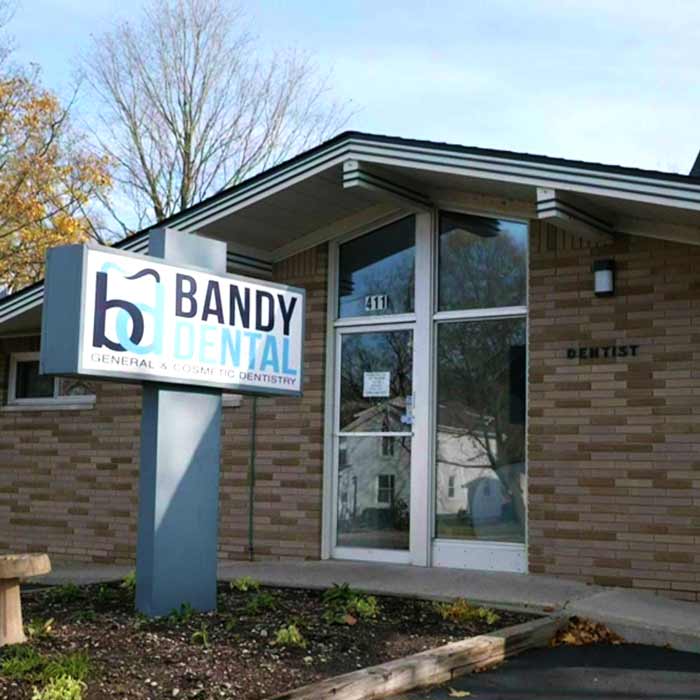
Whether you wear full or partial dentures, our Holly, MI dentist wants them to stay comfortable for as long as possible. Dr. David Bandy can also review other tooth replacement options with you.
Here's what you need to know about how long dentures last and how to care for them.

The is seven to 10 years, and most people need a new set after that.
Cleveland Clinic also suggests a reline every one to two years, or sooner if the fit changes. During a reline, your dentist adds material to the base so the denture sits more comfortably.
Your gums and jaw slowly change shape after teeth are lost. That means dentures can , even when the denture itself still looks fine.
The denture teeth also wear down after years of chewing. The American Dental Association notes that a poor fit can lead to mouth sores and, with long-term use, may contribute to bone loss.
Call your dentist if your dentures:
Feel loose or slip when you talk or eat
Rub, pinch or leave sore spots on your gums
Click when you speak
Are cracked, chipped, stained or missing a tooth
Are more than 10 years old
Adhesive can help for a short time, but the ADA calls it only a temporary fix for a poor fit. The ADA also cites guidance from prosthodontists to have a denture evaluated once it is more than five years old.

Clean your dentures every day to remove food and bacteria. Take them out, rinse off loose debris and adhesive, then gently brush every surface with a soft brush and a denture cleanser.
Brush your gums, tongue, cheeks and the roof of your mouth twice a day, along with any natural teeth you still have.
Your gums need time to rest. Cleveland Clinic recommends taking dentures out for at least eight hours a day, and most people do this while they sleep.
Keep them in water or a soaking solution when they are out so they hold their shape. Never use hot or boiling water, which can warp them.
A partial denture rests against your natural teeth, so those teeth need extra attention. Take the partial out before you brush and floss so you can clean around every tooth it touches.
The ADA lists changes in the teeth that support a partial as a reason to have it checked. Missing just one tooth? Compare your single-tooth replacement options.
Keep up with regular checkups, even with a full set of dentures. Your dentist can look at your gums, check the fit and talk about a reline before a small problem becomes a sore spot.
If you still have natural teeth, that visit also includes a professional teeth cleaning. Some patients also ask whether implants are better than dentures for their needs.
Most people sleep without their dentures, and that is usually the easiest way to give your gums their daily rest. Taking them out overnight also helps cut down on bacteria under the denture.
Cleveland Clinic recommends leaving dentures out for at least eight hours a day. If your dentist gave you different instructions for a new set, follow those.
No, skip bleach and powdered household cleansers because they can damage the denture. A soft-bristle brush with a denture cleanser, mild soap or toothpaste and warm water is enough for daily cleaning.
The American Dental Association also notes that denture cleansers should only be used once your dentures are out of your mouth.
It's best not to. A cracked, chipped or broken denture should be checked by a dental professional, who can decide whether it can be repaired or needs to be replaced.
Until your visit, keep the denture in water so it holds its shape. The American Dental Association lists cracks, breaks and missing denture teeth among the signs a denture needs a professional look.
Yes, regular visits still matter because your gums and jaw keep changing after tooth loss. A routine visit helps catch a loose fit or irritated tissue early.
At Bandy Dental, Dr. Bandy can examine your gums and check how your dentures fit during a routine visit. Bring them with you and mention any sore spots or clicking you've noticed.
Yes, for some patients. Bandy Dental notes that some people choose removable dentures attached to implants, while others prefer a fixed bridge.
Implants are embedded in the jawbone, which gives them stability while you eat, speak and laugh. Dr. Bandy can tell you during a consultation whether dental implants are a good fit for your smile.
Think your dentures may need a reline? Dr. Bandy, your dentist in Holly, MI, is glad to check the fit.
Call Bandy Dental today at (248) 634-9251 or request an appointment online.